
Forest Service Restructuring Raises Concerns for Colorado’s Public Lands
A major restructuring of the U.S. Forest Service (USFS), announced on March 31 by the
Trump administration, could significantly reshape how our public lands are managed—and not for the better.
The plan would eliminate the agency’s nine regional offices, including the Region 2 office in Lakewood that supports Colorado, and replace them with a new “state-based” system. It also relocates national leadership out of Washington, D.C. and consolidates research and administrative functions. These changes come at the same time the Forest Service is experiencing staffing reductions that have already affected trail crews, watershed restoration, and forest management capacity.
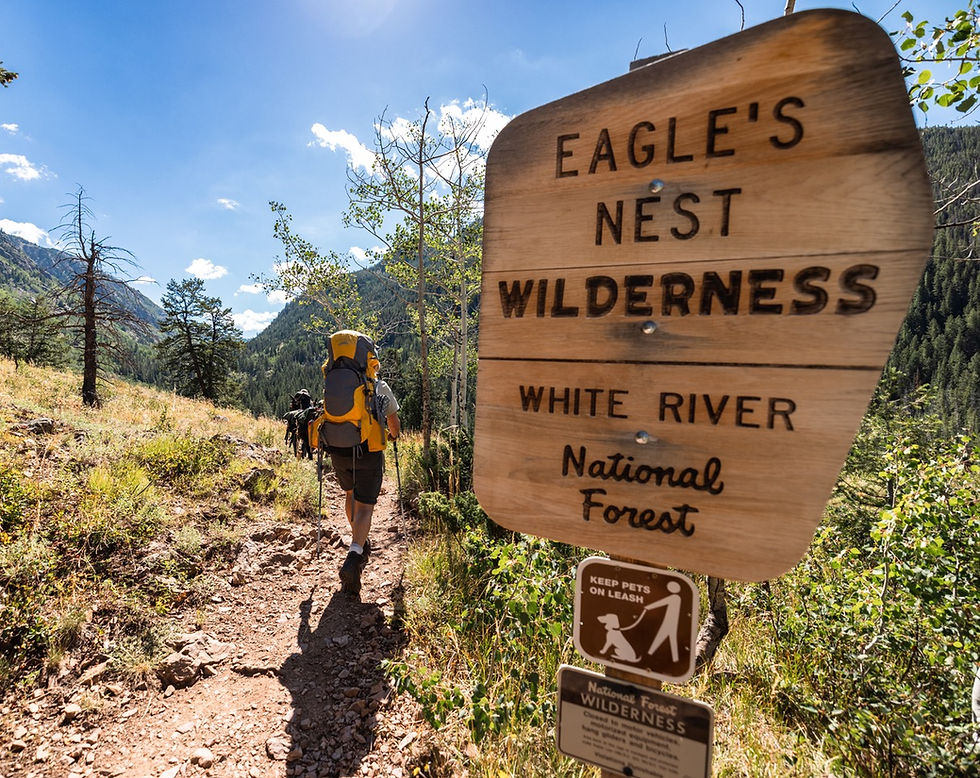
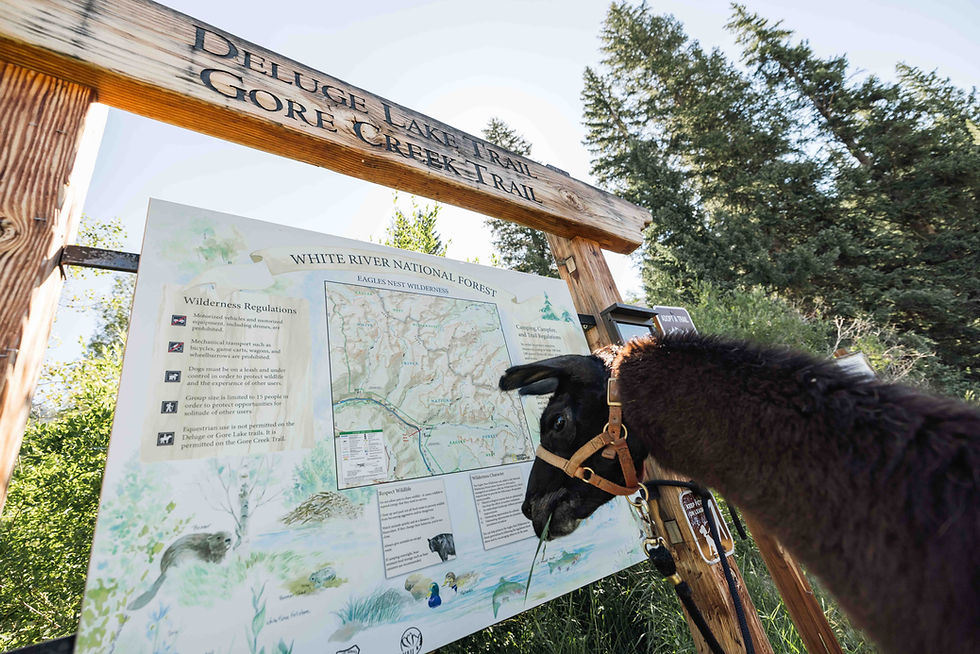
For communities in Eagle and Summit Counties, this raises real concerns. The White River National Forest, the most visited national forest in the country, includes federally designated Wilderness areas such as the Eagles Nest and Holy Cross Wilderness. These landscapes are protected under the Wilderness Act of 1964, which requires careful stewardship to preserve their natural conditions, wildlife habitat, and opportunities for solitude.
Managing Wilderness areas is complex and labor-intensive. It requires trained staff to monitor ecological conditions, maintain trails, manage increasing recreation use, and ensure compliance with federal protections. At the same time, these areas are part of larger ecosystems that cross county and state lines, making regional coordination essential.
Removing regional oversight and reducing staffing raises questions about whether the Forest Service will have the capacity to meet these responsibilities. Challenges such as wildfire, drought, and record visitation are already stretching resources thin. There is also precedent for concern. A similar relocation of the Bureau of Land Management headquarters in 2019 led to the loss of many experienced staff and was ultimately reversed. Many fear the Forest Service could face similar disruptions, reducing institutional knowledge at a critical time. Supporters of the plan argue it will bring leadership closer to the land. But proximity alone does not replace expertise, coordination, or capacity.
This proposal is not happening in a vacuum. It comes during a period of reduced staffing and shifting priorities, raising questions about whether the agency will be equipped to protect some of Colorado’s most treasured landscapes. Eagle Summit Wilderness Alliance believes this restructuring puts the long-term stewardship of our forests, and our Wilderness areas, at risk.
Take Action:
Contact your members of Congress and urge them to:
Oppose elimination of regional Forest Service offices
Support adequate staffing for Wilderness stewardship
Ensure science-based, landscape-level management


Comments